
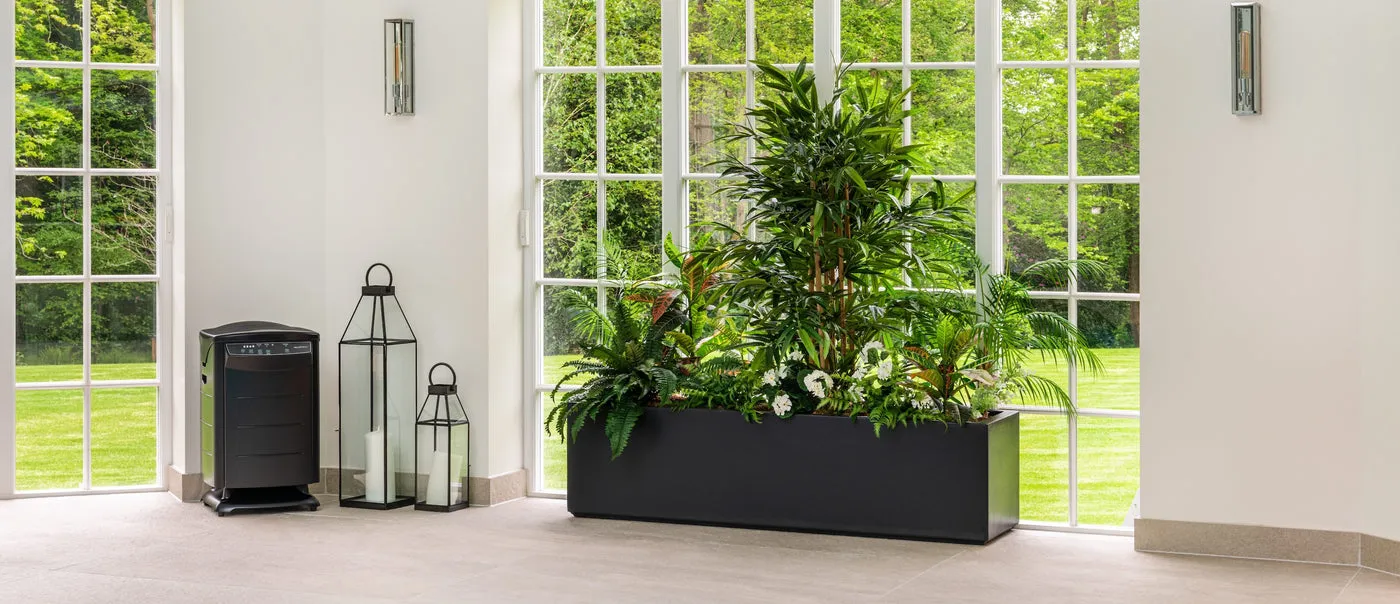
According to the US Environmental Protection Agency (EPA), indoor levels of some pollutants can be 2–5 times higher than outdoors. The first steps towards better indoor air are reducing pollution sources and ventilating regularly; air purifiers complement these measures.
US-based HealthWay makes air purifiers for homes, offices and clinics using its filtration technology called DFS (Disinfecting Filtration System). Thanks to its sealed housing design, HealthWay Deluxe aims to make air pass through the filter without bypassing it.
How does DFS technology work? (manufacturer information)
- Gases and odoursThe pre-filter captures volatile organic compounds (VOCs), odours and large particles such as hair and dust.
- Very small particlesAn electronically enhanced grid binds fine particles together so they are captured more easily; the manufacturer states that particles down to 0.007 microns are captured.
- Main filterCaptured particles and microorganisms are retained in the main filter.
- Clean airThe filtered air is returned to the room.
HealthWay Deluxe
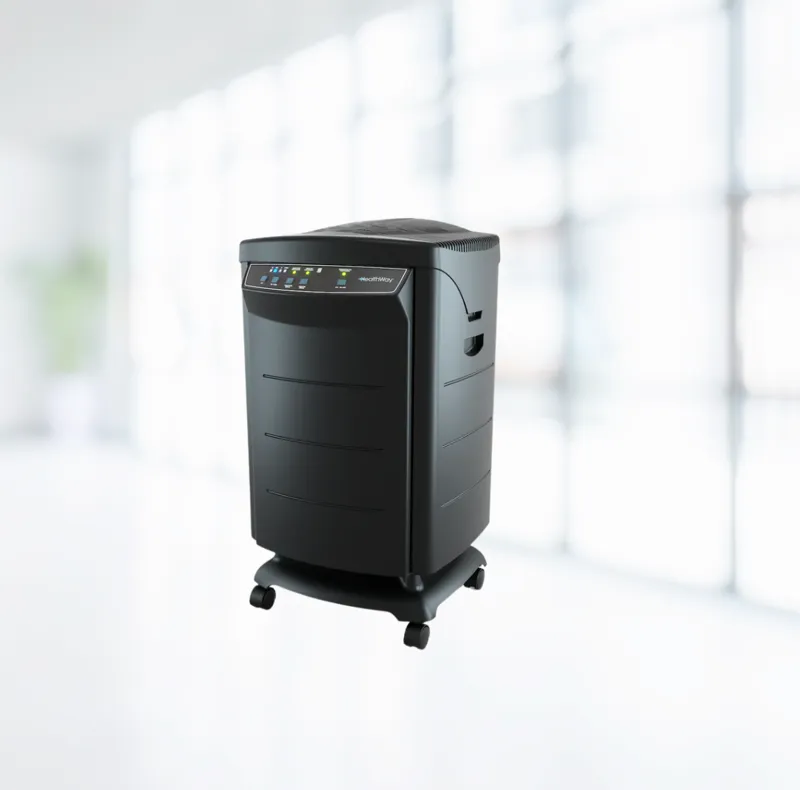
- Portable, wheeled housing that is easy to maintain
- Meets or exceeds the HEPA standard according to the manufacturer (99.9% at 0.3 microns)
- Heavy-duty gas and odour filter
- Pre-filter replaced every 6 months, main filter every 12 months
The role of air purifiers in allergy
Air purifiers with high-efficiency filters may help reduce airborne pollen, pet allergen, mould spores and fine particles. House dust mite allergens, however, are heavy particles that stay airborne only briefly and mostly settle in bedding and textiles; in mite allergy the priority measures are mattress covers, hot washing and humidity control.

Air purifiers do not replace medical treatment. Technical values stated are manufacturer data.